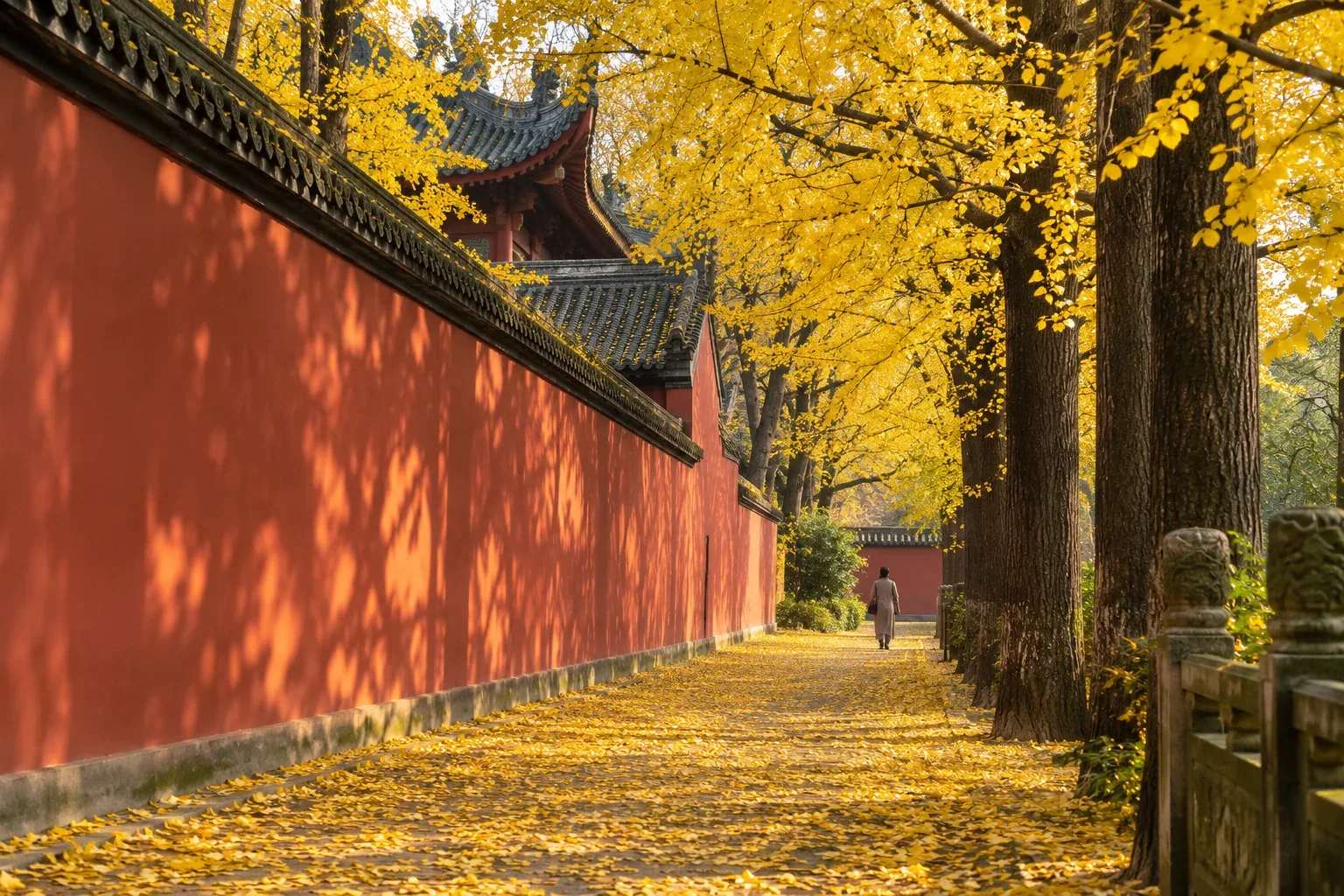
For a first trip that combines several Chinese cities, spring and autumn are useful starting points. Many routes through Beijing, Xi’an, Chengdu and the lower Yangtze region are easier to enjoy on foot in these seasons. The right dates still depend on the places you choose, China’s holiday calendar and the experiences that matter most to you.
China does not have one season that suits every region. Beijing can feel crisp in autumn while Guilin is still warm, and Chengdu’s city weather says little about conditions in Sichuan’s high mountains. Choose your two or three priorities first, then compare dates for the whole route.
Leave room around China’s busiest holidays
If your dates are flexible, try to avoid the busiest domestic holiday periods. Chinese New Year, the May Day holiday and the National Day holiday in early October can bring heavier demand for major attractions, transport and accommodation. Some hotels and travel services may cost more. July and August, when many Chinese schools have their summer break, can also be busy in popular family destinations. The Hunan tourism authority’s Zhangjiajie guidance highlights these seasonal pressures.
Chinese New Year falls on different Gregorian dates each year. Check the official holiday schedule for the year of your trip, including the actual May Day and National Day break, before booking flights and hotels. Local school breaks can affect short trips too; do not assume an autumn break applies everywhere in China. Destination festivals, exhibitions and weekends also deserve a place in your planning.
Travelling on weekdays and outside long holiday breaks can help. If peak dates are your only option, arrange accommodation, intercity transport and reservation-only attractions early. Keep each day a little lighter so there is time for queues and transfers. Around Chinese New Year, check the opening arrangements of restaurants, shops and activities as well.
Compare the season with the places you want to visit
These are months we suggest comparing first for a trip that balances sightseeing and time outdoors. Weather, flowering periods and local conditions vary from year to year.
| Destination | Months to compare | Experiences and trade-offs |
|---|---|---|
| Beijing | April–May; September–October | Good starting points for the Great Wall, palaces and city walks. Spring can be windy; autumn mornings and evenings turn cool. Plan around the National Day holiday separately. |
| Xi’an | March–May; September–October | Combine the Terracotta Army, city walls and urban sightseeing. Spring and autumn can still bring rain or cold spells. Allow for heat when planning outdoor visits in summer. |
| Shanghai | March–May; October–November | Consider neighbourhood walks, the Bund and city culture. Bring rain protection in spring and a light jacket in autumn. Summer planning needs to account for heat, the plum-rain season and possible typhoon disruption. |
| Suzhou and Hangzhou | March–May; October–November | Gardens, water towns, West Lake and tea-growing landscapes can shape a route. Blossoms and autumn osmanthus depend on the year’s weather. Keep a wet-weather option. |
| Chengdu | March–June; September–November | Useful periods for panda visits, teahouses and city life. Summer can feel hot and humid. Check the season and road conditions separately if continuing into western Sichuan or high-altitude areas. |
| Guilin and Yangshuo | April–May; September–October | Spring can bring green landscapes; autumn offers opportunities for river and countryside outings. Spring and summer are wetter. Cruises and rafting depend on water conditions at the time. |
| Zhangjiajie | April–May; September–October | Consider mountain viewpoints and walking routes. Cloud and mist affect visibility, and paths can be slippery after rain. Cable cars do not remove all walking or waiting. |
| Dunhuang and the Hexi Corridor | May–June; September–October | Combine cave art, historic sites and desert scenery. Prepare for sun, windblown sand and changes between daytime and evening temperatures. Secure reservations early around National Day. |
Local climate information can help you compare the options: Beijing, Xi’an, Guilin, Chengdu, Shanghai’s seasons and Hangzhou through the year. Dunhuang’s travel season is longer than the months listed here; the table focuses on periods worth comparing for both cave visits and outdoor scenery.
Think about scenery and weather separately
This is especially useful in Guilin. Green landscapes in spring and summer come with a greater chance of rain and changing river conditions. At Longji, flooded terraces, young rice and golden fields create different views. Their timing follows farming schedules and the year’s conditions, so a calendar month cannot guarantee a particular scene.
For a route across several regions, check every stop. Pleasant conditions in Guilin do not mean the rest of your itinerary will have the same weather. Winter can still work for cities, museums and cultural visits, provided you are comfortable with cold weather, shorter daylight and the seasonal limits of some outdoor activities.
Start with a route, then refine the dates
For gardens, water towns and tea culture, compare our 7-Day Shanghai–Shanghai: Gardens & Tea route. To combine historic cities with river landscapes, look at 15-Day Beijing–Shanghai: Heritage & Li River. Share your dates and the places you most want to see, and we can help check how the route fits the season.